
The following case studies reflect earlier phases of Macau’s development, but the dynamics they illustrate remain unchanged. Success in Macau still depends on the same fundamentals: the right concept, the right partners and the right execution within a unique operating environment.
CASE STUDY 1
Top Rank Boxing: Establishing Macau as a Global Fight Destination
Context
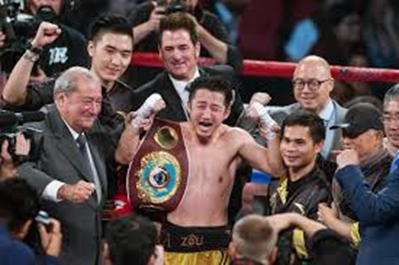
In the early 2010s, professional boxing had little presence in Greater China. The sport had long been viewed as too violent and culturally misaligned, despite the emergence of Olympic champion Zou Shiming, who won gold in both 2008 and 2012. At the same time, Macau’s integrated resorts were seeking to expand beyond gaming and position themselves as global entertainment destinations.
Opportunity
Legendary promoter Bob Arum of Top Rank identified an opportunity to bring world-class boxing to Asia, but required the right venue, partners and positioning to make it viable. The solution was Macau.
Risks
A range of material risks existed for the promoter, Sands China and the fighters themselves:
- Cultural: Professional boxing had limited historical traction in China and lacked a widely recognized local icon, placing significant pressure on Zou Shiming as the primary “local hero.” With a shallow domestic talent pipeline, audience interest may not have extended beyond an initial event, particularly in the event of an underwhelming performance.
- Commercial: The project required substantial financial and time investment across marketing, public relations, government relations, event promotion, fighter guarantees and international broadcast delivery. Long-term viability in an untested market was uncertain.
- Reputational: Failure to deliver a world-class event at launch risked undermining future events entirely. It could have damaged the standing of the international promoter, the integrated resort and, critically, Macau’s positioning as a global entertainment destination.
- Political: The involvement of an American promoter operating within an American-owned integrated resort on Chinese soil introduced potential political sensitivities.
Risks were mitigated through extensive early planning and strong on-the-ground execution, including deployment of a dedicated Top Rank team in Macau and leveraging experienced venue and destination event teams. A sustained press and public engagement strategy — particularly across key China cities and major platforms such as WeChat, Weibo and CCTV5 — helped build awareness and local connection. The event was further localized by featuring emerging Hong Kong and Macau fighters alongside established international talent.
Execution
Working alongside Sands China, a series of high-profile fight events were staged at The Venetian Macao’s Cotai Arena. At the time it was the only venue in Asia consistently ranked in Pollstar’s global Top 100 for ticket sales.
The strategy combined:
- Top Rank’s global boxing expertise
- Sands’ large-scale entertainment marketing capability
- Regional talent development, including local boxing heroes Rex Tso and KK Ng, from Hong Kong and Macau respectively
This built both international credibility and local engagement.
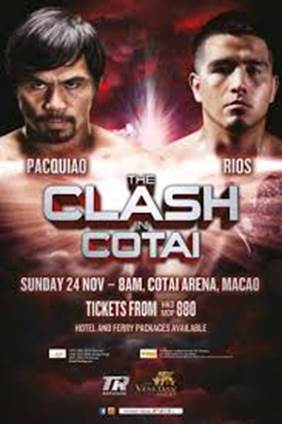
The platform culminated in the “Clash in Cotai,” featuring Manny Pacquiao. It was the first major boxing event in Asia in a decade and Macau’s first-ever pay-per-view sporting event, attracting a global audience and high-profile international attendance.
Outcome
The series repositioned Macau as a viable global destination for major sporting events, significantly elevating its profile beyond gaming. It demonstrated that:
- Large-scale international sports content could succeed in Macau
- Integrated resorts could act as global event platforms
- Local and regional talent could be developed alongside global headliners
Relevance
This remains a benchmark example of how international IP, local positioning and integrated resort capability can combine to create entirely new market opportunities for foreign investors in Macau.
CASE STUDY 2
The Rolling Stones: Repositioning Macau as a Global Entertainment Destination
Context
Macau has long hosted major regional acts across Cantopop, Mandopop, K-pop and J-pop, along with selected international performers. However, its global positioning as a destination for world-leading Western entertainment remained limited.
Opportunity
The arrival of a globally iconic act had the potential to shift international perception of Macau from a regional entertainment hub to a truly global stage.
Risks
This represented a high-stakes, high-cost initiative involving a globally iconic, multi-generational brand, with scrutiny on all stakeholders including the integrated resort and the Macao SAR Government:
- Expectation: Bringing The Rolling Stones to Macau and China for the first time set a new global benchmark. A Rolling Stones concert is not merely an event but a phenomenon with exacting standards, so anything short of a world-class delivery risked materially undermining the broader opportunity.
- Market: Demand for Western live music in the region was historically inconsistent and difficult to forecast, particularly in a market dominated by Mainland China and Hong Kong visitation. This created uncertainty around ticket sales, audience engagement and international draw.
- Cost and complexity: Integrating a Macau stop into an existing global tour involved significant financial commitment and logistical complexity. Top-tier Western acts also carry extensive contractual and production requirements that materially exceed typical regional standards.
- Strategic impact: The event could not be treated as a one-off. Its success or failure would influence Macau’s ability to attract future global acts and shape perceptions among international promoters.
Risks were mitigated through extensive preplanning and the integration of The Rolling Stones’ global marketing platform with strong local venue promotion across traditional and social media. Public engagement was reinforced through visible on-property activity and community interaction. The event was further localized through tailored in-concert elements, including Mick Jagger’s use of local language to connect with the audience.
Execution
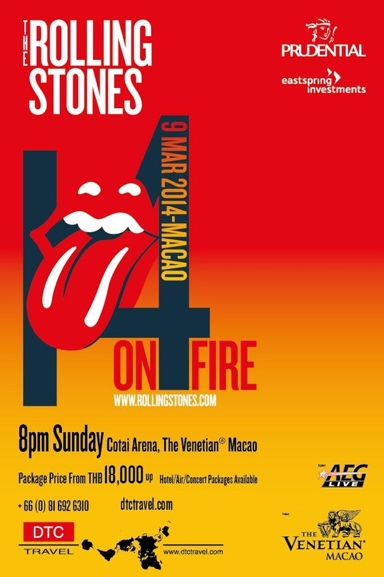
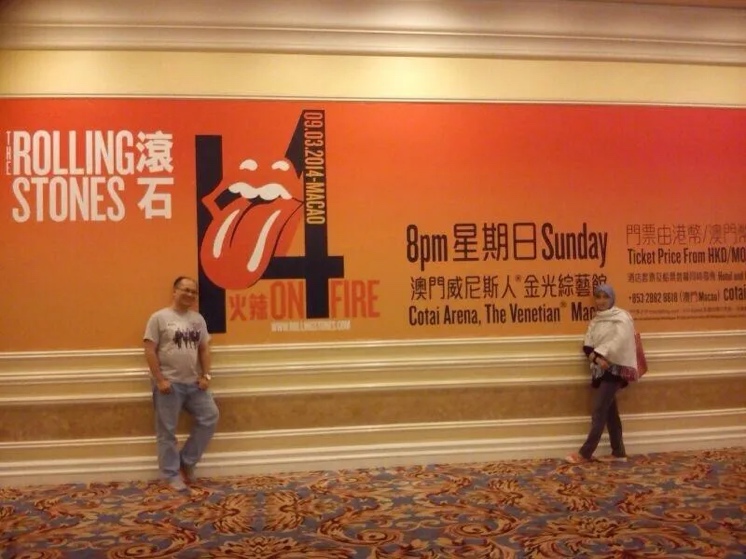
In March 2014, Sands China brought The Rolling Stones to Macau for their first-ever performance in the city. The event:
- Attracted significant international media attention
- Brought in global sponsors, many entering the Macau market for the first time
- Drew a high-value international audience
It was positioned not simply as a concert, but as a landmark moment in Macau’s entertainment evolution.
Outcome
The impact extended well beyond a single event. The concert contributed to:
- Building upon previous events such as Bollywood’s IIFA Awards in 2009 and 2013 to promote a shift in external perception of Macau as a global entertainment destination
- Increased confidence among international promoters and content owners
- Subsequent attraction of major global productions such as international film projects like Now You See Me 2
Its significance was formally recognized in the Macao SAR 15th Anniversary Achievements Exhibition in Beijing, where it was showcased alongside major sporting milestones.
Relevance
The Rolling Stones’ Macau performance demonstrated the catalytic role that globally recognized IP can play in repositioning a market. It remains a clear example of how:
- The right content can change perception at scale
- Integrated resort platforms can support world-class production
- International brands can be successfully introduced into Macau
CASE STUDY 3
Macau Week in Las Vegas: Building International Awareness for Macau
Context
In 2005, Macau was still largely perceived internationally as a niche gaming destination, with limited awareness in key long-haul markets such as the United States. The Macao Government Tourism Office (MGTO) identified a need to reshape this perception and stimulate inbound visitation from strategic US markets, particularly following the establishment of its Los Angeles and New York offices.
Opportunity
The objective was to reposition Macau as a broader leisure and business tourism destination — and to do so in a way that would cut through in a market with little existing awareness.
The solution was to take Macau to the market.
Risks
This opportunity carried a number of material risks:
- Low awareness: Macau had limited recognition outside industry circles and was still widely perceived as a gaming-centric destination. This risked muted media interest and constrained appeal to broader tourism audiences, particularly when compared to a mature market like Las Vegas.
- Comparison: Staging the program in Las Vegas — the world’s most established gaming and entertainment hub — created an inherent benchmark risk. The initiative could either position Macau assertively on the global stage or reinforce perceptions of it as a secondary, less developed destination.
- Complexity: Delivering a multi-venue, multi-stakeholder cultural and tourism showcase in a highly sophisticated market presented significant execution risk. While the cultural proposition was strong, on-the-ground delivery capability was still developing.
- Coordination: The period was characterized by intense competition among the three US concessionaires, limiting cooperation and increasing the difficulty of aligning stakeholders behind a unified program.
Risks were mitigated through extensive preplanning, including close coordination with Macau and Las Vegas government stakeholders, adherence to protocol, and alignment across all three concessionaires. A sustained press and public engagement strategy leveraged the operators’ Las Vegas networks and marketing capabilities. Strong government relations and local stakeholder engagement ensured support on the ground, while the program was localized through the involvement of prominent Las Vegas figures to drive visibility and relevance.
Execution
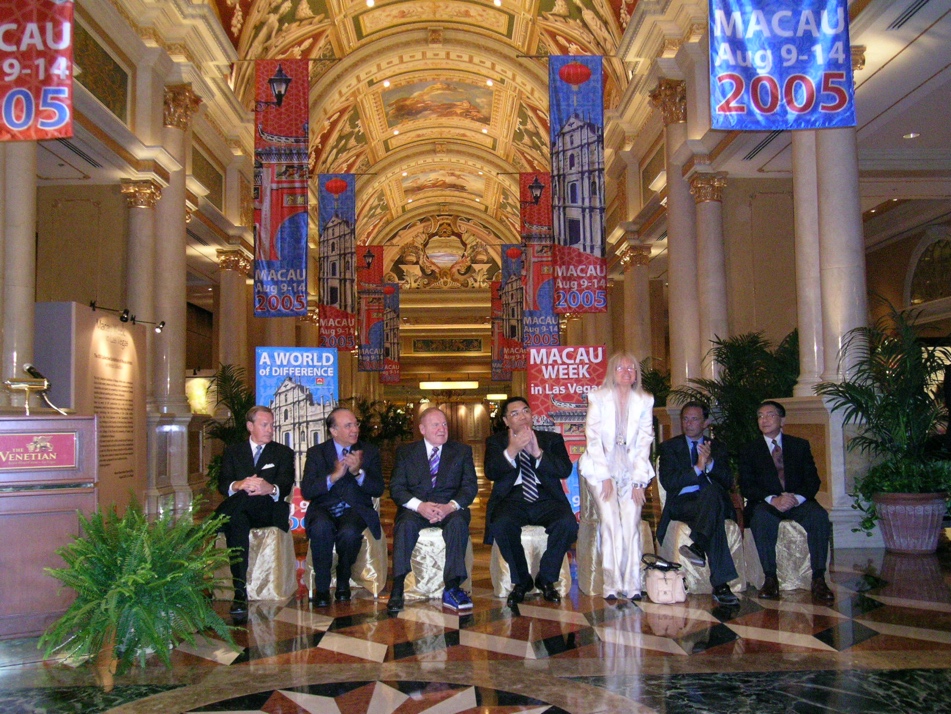
“Macau Week in Las Vegas” was staged from 8 to 14 August 2005, bringing a curated showcase of Macau’s culture, heritage and tourism offering directly to a US audience.
The program included:
- Cultural performances (lion and dragon dance, Portuguese folk dance)
- Macanese cuisine and hospitality experiences
- Art and photography exhibitions, including “24 Hours in Macau”
- Promotion of Macau’s UNESCO World Heritage status
Events were hosted across multiple venues in Las Vegas, including The Venetian, Wynn Las Vegas, MGM Grand and Fashion Show Mall, with senior government participation led by then Secretary for Social Affairs and Culture (and later Macau Chief Executive), Dr Chui Sai On.
Outcome
The initiative significantly exceeded expectations, delivering:
- Extensive media coverage in both US and Asian markets
- New institutional relationships, including with the Las Vegas Convention and Visitors Authority (LVCVA)
- Increased awareness and understanding of Macau as a multi-dimensional destination
It marked an early step in repositioning Macau beyond gaming in the minds of international audiences.
Relevance
This initiative demonstrates the Macau SAR Government’s long-standing commitment to reshaping global perceptions of the market — a process that continues today under the “1+4” diversification strategy.

CASE STUDY 4
Medical Device Importation during COVID
Context
At the height of the COVID-19 pandemic, a European company sought to introduce a medical device that had gained traction in Europe and was believed to be effective in limiting the spread of the virus. At the same time, Macau’s integrated resorts were actively evaluating solutions that could support health and safety outcomes.
Opportunity
The company identified strong potential in health-conscious Asian markets, particularly within Macau’s large-scale integrated resorts.
Risks
The primary risk lay in the posture of the company’s principal. Despite guidance from Access Macau principals, he assumed the product would effectively “sell itself” and be treated as a compulsory spend by operators given the impact of COVID-19 on global tourism. This approach risked alienating key stakeholders. In a relationship-driven market such as Macau, failure to engage appropriately and build trust could result in immediate disengagement by decision-makers.
Execution
The principal proceeded to engage directly with several integrated resort executives, disregarding advice on a market-specific approach and stakeholder management. He dismissed recommended processes as unnecessary and failed to recognize the nuances of the Macau operating environment. While he established contacts, they were not the relevant decision-makers.
Outcome
The approach failed to build trust with Macau’s concessionaires. A perception formed that the company neither understood nor respected established processes, raising concerns about its ability to execute effectively. The opportunity did not progress.
Relevance
This case illustrates that even a potentially strong and timely product can fail without the correct market entry strategy. In Macau, process, positioning and relationships are as critical as the underlying proposition.

CASE STUDY 5
Failure of Uber to Enter Macau: A Cautionary Tale
Context
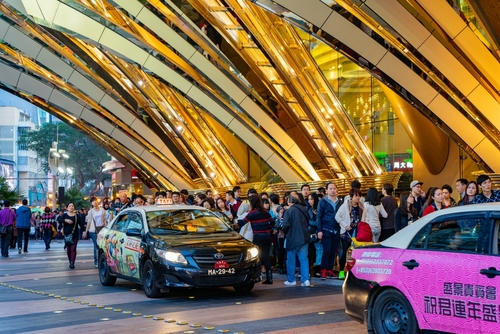
As ride-hailing platforms expanded globally in the mid-2010s, Uber sought entry into Macau as part of its broader Asia-Pacific growth strategy. At the time, Macau’s transport ecosystem was tightly regulated and heavily influenced by established taxi operators and existing licensing frameworks.
Opportunity
Uber identified Macau as an attractive, high-density market with strong tourism flows and perceived inefficiencies in taxi supply and service quality. The model had proven successful in many international jurisdictions, often gaining rapid consumer adoption.
Risks
The opportunity carried significant structural and strategic risks:
- Regulatory: Macau’s transport sector is tightly controlled, with strict licensing requirements and clear legal constraints on unregulated ride-hailing services.
- Entrenched interests: The local taxi industry held established commercial and political influence. Any perceived threat to existing operators was likely to trigger resistance.
- Market approach: Uber’s typical market entry strategy — rapid deployment followed by regulatory engagement — risked being incompatible with Macau’s relationship-driven, process-oriented environment.
- Reputational: A confrontational or non-compliant approach risked damaging relationships not only with regulators but also with broader stakeholders critical to long-term success in Macau.
Execution
Uber applied its standard playbook, launching operations without fully aligning with local regulatory frameworks or adequately engaging key stakeholders. The approach prioritized speed over relationship-building and did not sufficiently account for the influence of incumbent operators or the importance of government alignment. This “guerrilla-style” entry was perceived as dismissive of local norms and processes.
Outcome
Operations faced sustained regulatory pressure, resistance from taxi groups and limited institutional support. Without the necessary stakeholder engagement, Uber was unable to establish a stable operating position and was ultimately forced out of the city by the Macau government.
Relevance
This case highlights that strategies successful in other jurisdictions do not automatically translate to Macau. Ignoring regulatory structure, stakeholder dynamics and the importance of relationship-building can lead to outright failure, even for globally dominant platforms.